Asturias, Where Nature Meets with Gastronomy, arts and Legend
CHARMING VILLAGES
Asturias is a treasure trove of charming villages that reflect the natural beauty and rich history of the region. Some of them are :
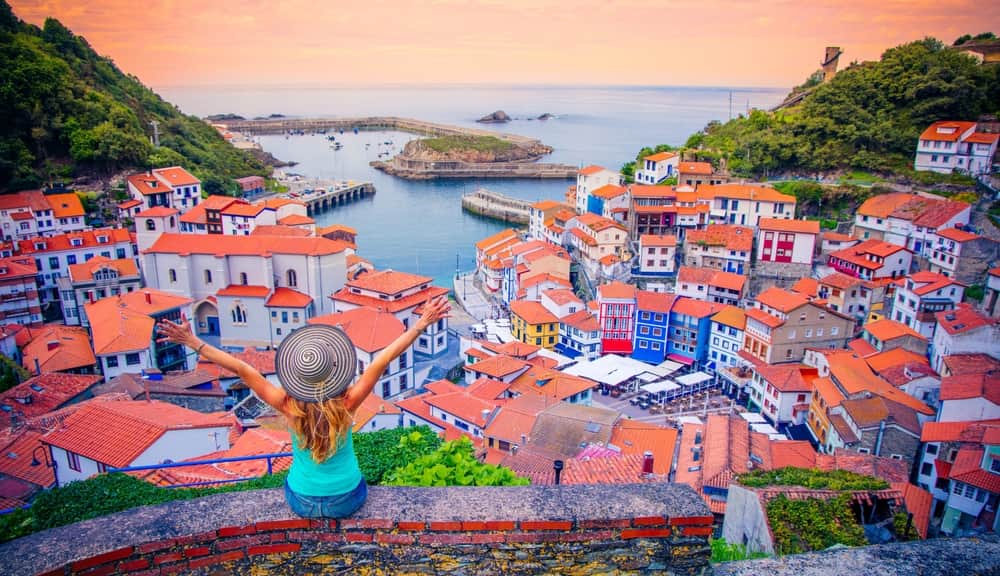
Cudillero, with its colorful houses tiered on a hill descending towards the sea, is a must-visit picturesque destination.
Llanes, on the other hand, offers a delightful mix of beaches, medieval architecture, and vibrant local life.
Lastres, famous for its appearance in the TV series "Doctor Mateo," stands out for its steep streets and spectacular views of the Cantabrian Sea. These villages not only capture the essence of Asturian heritage but also serve as gateways to the region's stunning nature and exceptional cuisine.
EXPLORE THE GREEN TREASURES OF ASTURIAS: ITS NATURAL PARKS
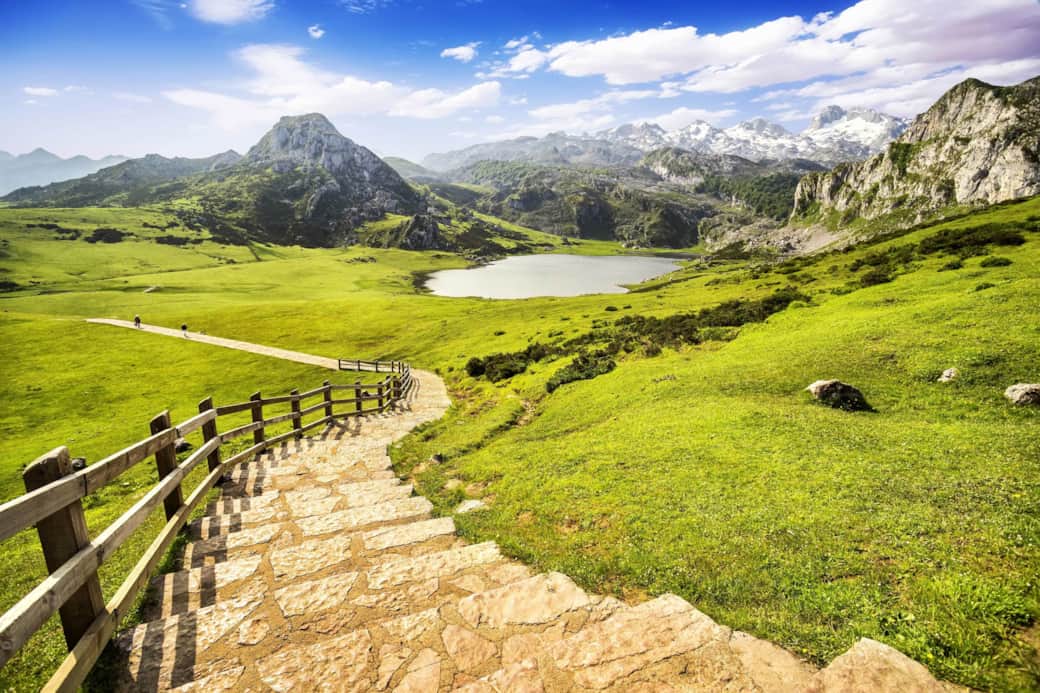
These protected areas are havens for exceptional biodiversity and fairy-tale landscapes.
1. Picos de Europa National Park: Over 200 km of trails, glacial lakes, and wildlife to explore.
2. Somiedo Natural Park: Renowned for its brañas, the Saliencia Lakes, and Valle del Lago.
3. Redes Natural Park: A UNESCO Biosphere Reserve, a paradise for lovers of geology and botany.
4. Las Ubiñas-La Mesa Natural Park: An example of Asturias' stunning mountainous landscape.
5. Muniellos Integral Nature Reserve: This is the largest oak forest in Spain and a true sanctuary for biodiversity. Accessible only by prior permission to protect its environment.
ASTURIAN PRE-ROMANESQUE ART
Asturian Pre-Romanesque art, also known as "Asturian art," is characterized by its architectural innovations and religious and political symbolism. Its most representative works include:
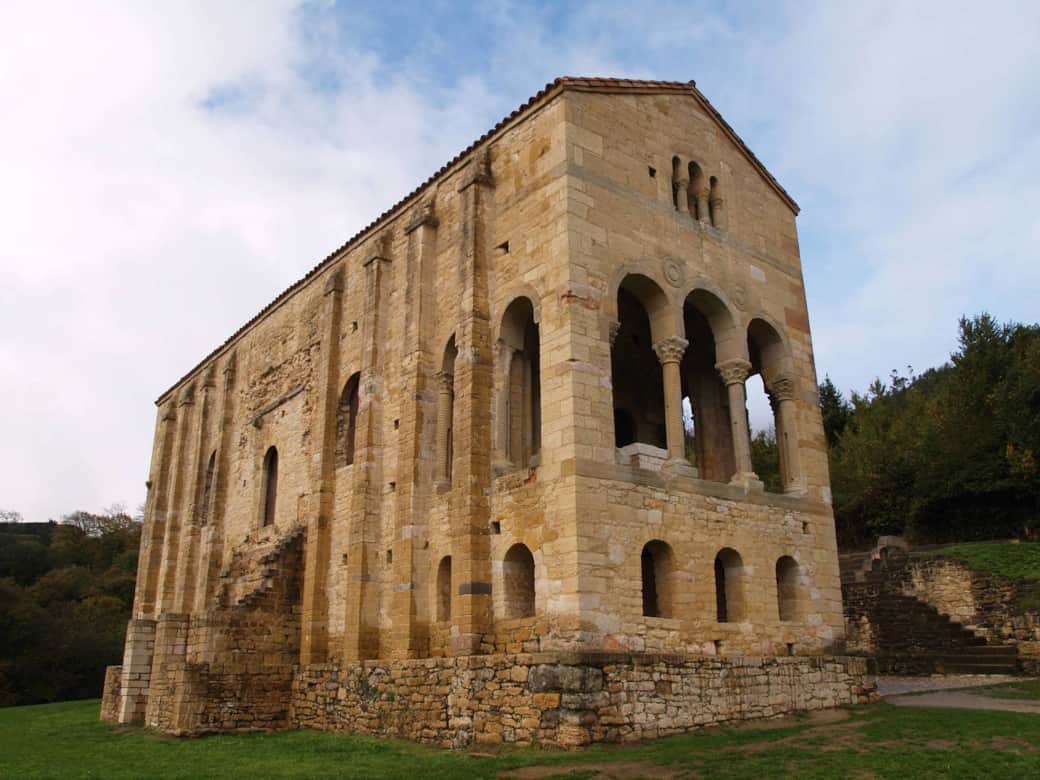
Santa María del Naranco. Originally conceived as a royal palace under the reign of Ramiro I, this structure is renowned for its elegance and innovative architectural solutions, such as its columns and arches which allow for effective lighting and ventilation.
San Miguel de Lillo. Just a few meters from Santa María del Naranco, this church is another notable example of the Pre-Romanesque style, although part of the original structure has been lost. What remains of the building suggests an advanced design for its time, with decorative elements indicating Byzantine influence.
San Julián de los Prados. Also known as Santullano, this church in Oviedo is one of the largest and oldest from this period. It is distinguished by its interior frescoes, which are some of the best-preserved of European Pre-Romanesque art.
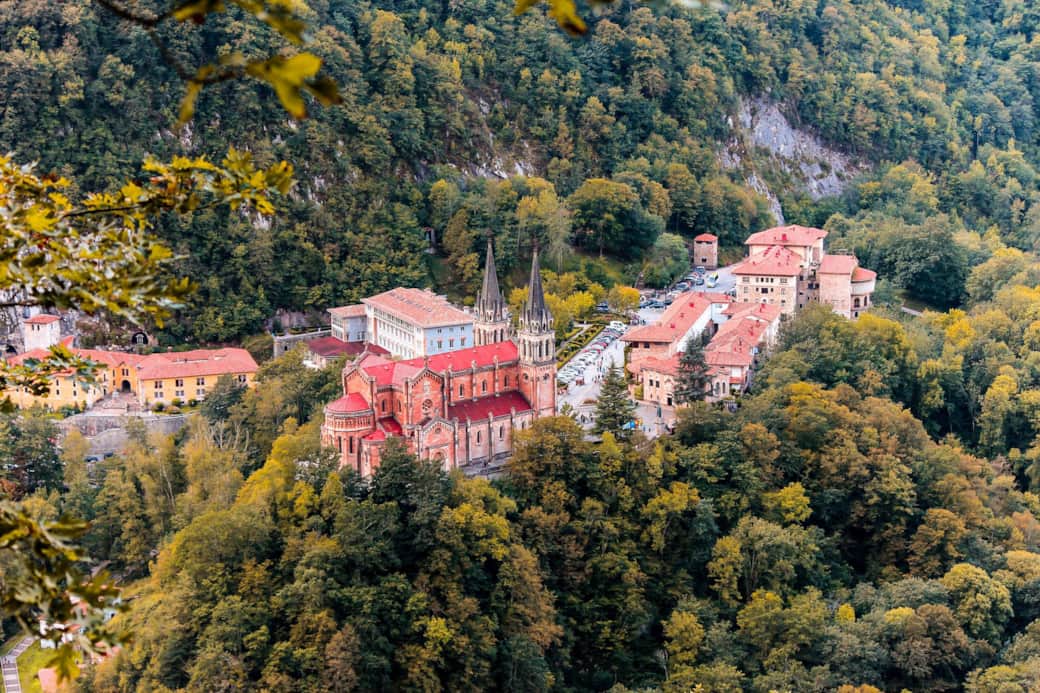
THE SPIRITUAL HEART OF ASTURIAS
Discover the Spiritual Heart of Asturias with a visit to the breathtaking Santuario de Covadonga and the majestic Cathedral of Oviedo.
Nestled in the verdant mountains, the Santuario de Covadonga serves as a beacon of historical and religious significance, offering visitors a serene escape and panoramic views that inspire awe.
The site's rich history and the legendary Battle of Covadonga where the Reconquista began, add layers of intrigue to your visit.
In the bustling city of Oviedo, the Cathedral stands as a masterpiece of Gothic architecture, with its impressive spire dominating the skyline. This architectural gem houses sacred relics and art, including the Holy Chamber that contains the Cross of the Angels and the Victory Cross, pivotal symbols of Asturias.
Museums in Asturias
Asturias is home to a variety of museums that captivate both locals and visitors alike. Among others, the most popular include:
1. Asturias Museum of Fine Arts (Oviedo)
2. Niemeyer Center (Avilés)
3. Jurassic Museum of Asturias (MUJA, Colunga)
4. Ethnographic Museum of Grandas de Salime
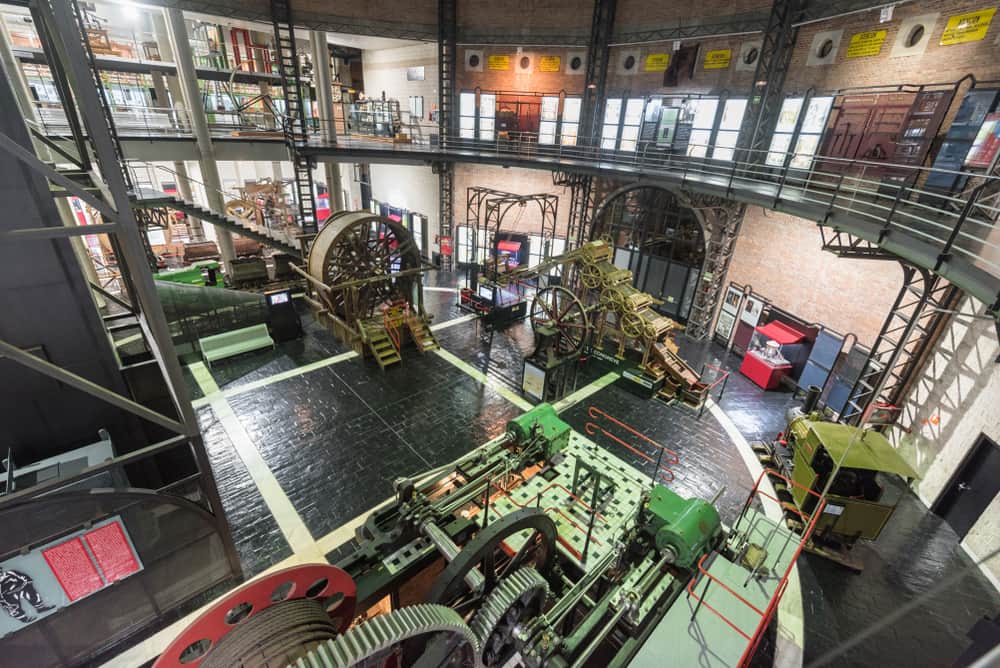
5. Museum of Mining and Industry (MUMI, San Martín del Rey Aurelio)
6. Laboral City of Culture (Gijón)
7. Asturian Cider Museum
8. Tito Bustillo Rock Art Center (Ribadesella)
Festivals and Folklore
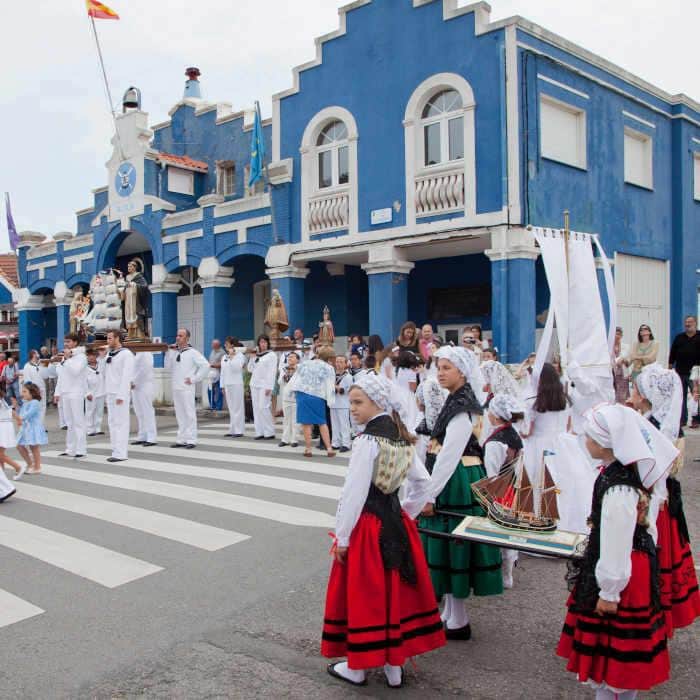
Asturias is renowned for its calendar full of traditional and vibrant festivities. Here is a list of some of the best festivals held in this region:
1. Fiesta de San Juan (June)
2. International Descent of the Sella (August)
3. Fiesta de la Sidra in Nava (July)
4. Holy Week in Viveiro (March or April)
5. Antroxu (Carnival) (February)
6.Hazelnut Festival (September)
7. Fiesta del Asturcón (August)
8. Fabada Festival (February)
9. El Bollu in Avilés (March or April)
10. Seafood Days (October)
SPORTS ACTIVITIES
Here's a list of the main sports activities to enjoy in this region:
1. Hiking and trekking: Explore the stunning landscapes of the Picos de Europa and other trails such as the Ruta del Cares.
2. Surfing: Catch waves at famous beaches like Los Quebrantos, Rodiles, Salinas, or Tapia.
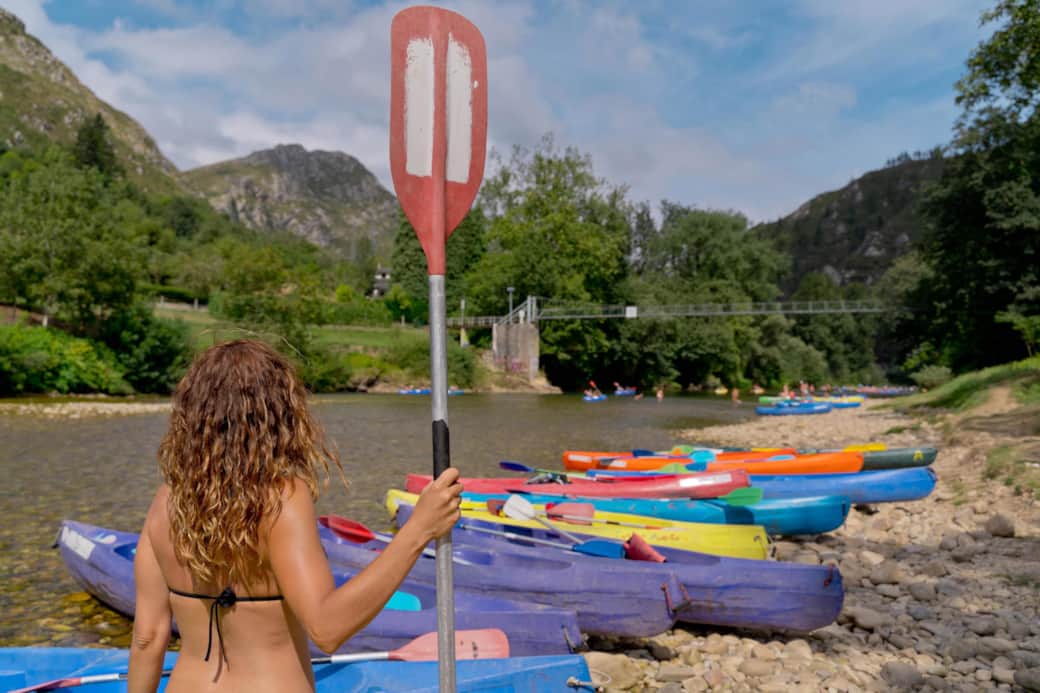
3. Canoeing: Participate in the popular Sella descent or venture on the Cares and Deva rivers.
4. Mountain biking: Ride through the varied terrains of the region, from gentle hills to challenging mountains.
5. Climbing: Climb in areas like Quiros, Teverga, and the Picos de Europa.
6. Caving : Explore the numerous caves in Asturias, such as the Cueva de Valporquero.
7. Skiing and snowboarding: Enjoy the snow at ski resorts like Valgrande-Pajares and Fuentes de Invierno.
8. Golf: Play on scenic courses, some of which offer stunning views of the sea and mountains.
9. Paragliding and hang gliding: Fly over the beautiful landscape of the coast and mountains.
10. Fishing: Fish in the salmon and trout-rich rivers like the Sella and the Narcea.